Fire Safety for Rental Properties: The 2026 UK Landlord Guide
You are the Responsible Person
Under the Regulatory Reform (Fire Safety) Order 2005 — as amended by the Fire Safety Act 2021 — the landlord is the 'Responsible Person' for fire safety in any part of a rented building outside the tenant's individual dwelling. That means common stairs, hallways, plant rooms, storage areas and the external walls.
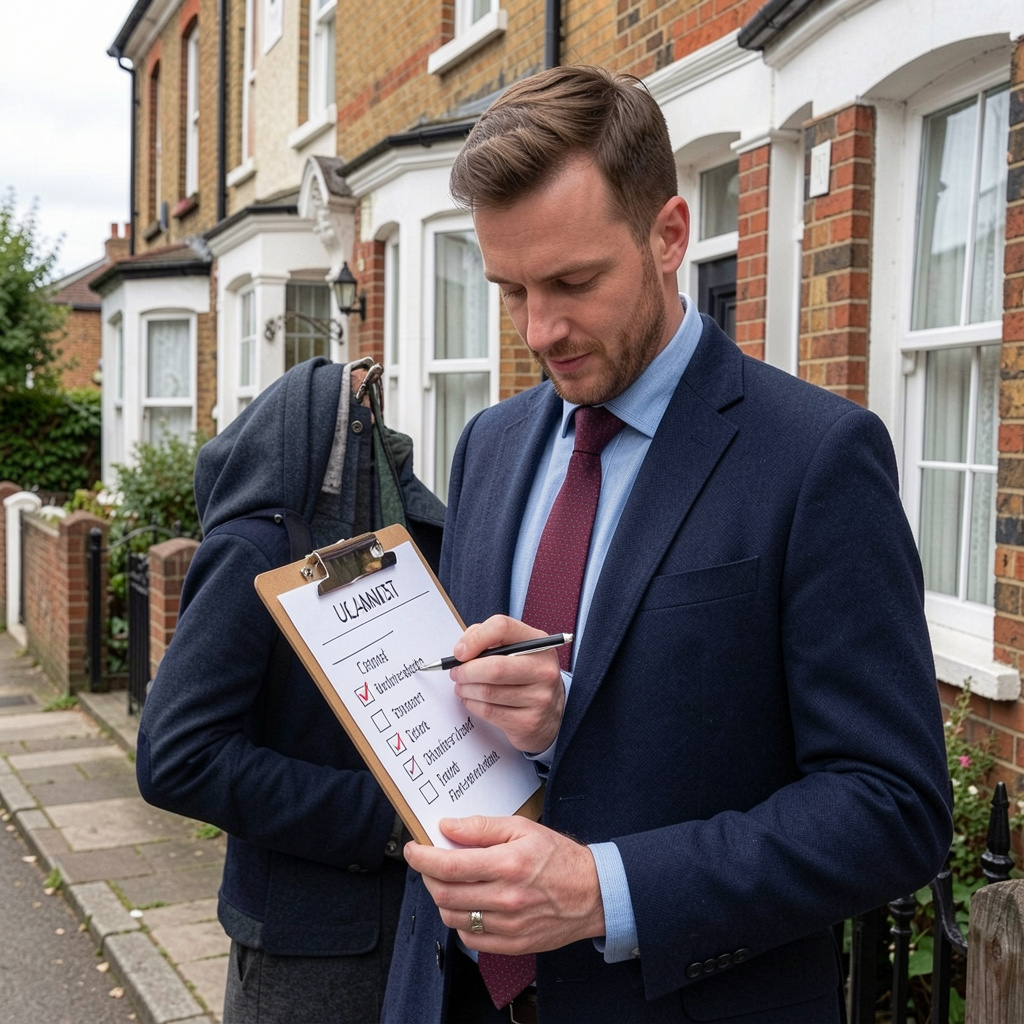
The Responsible Person must arrange a written Fire Risk Assessment, act on its findings, and keep it under review — annually at minimum, plus after any material change.
What a Fire Risk Assessment covers
A competent FRA covers five things:
Alarms and detection
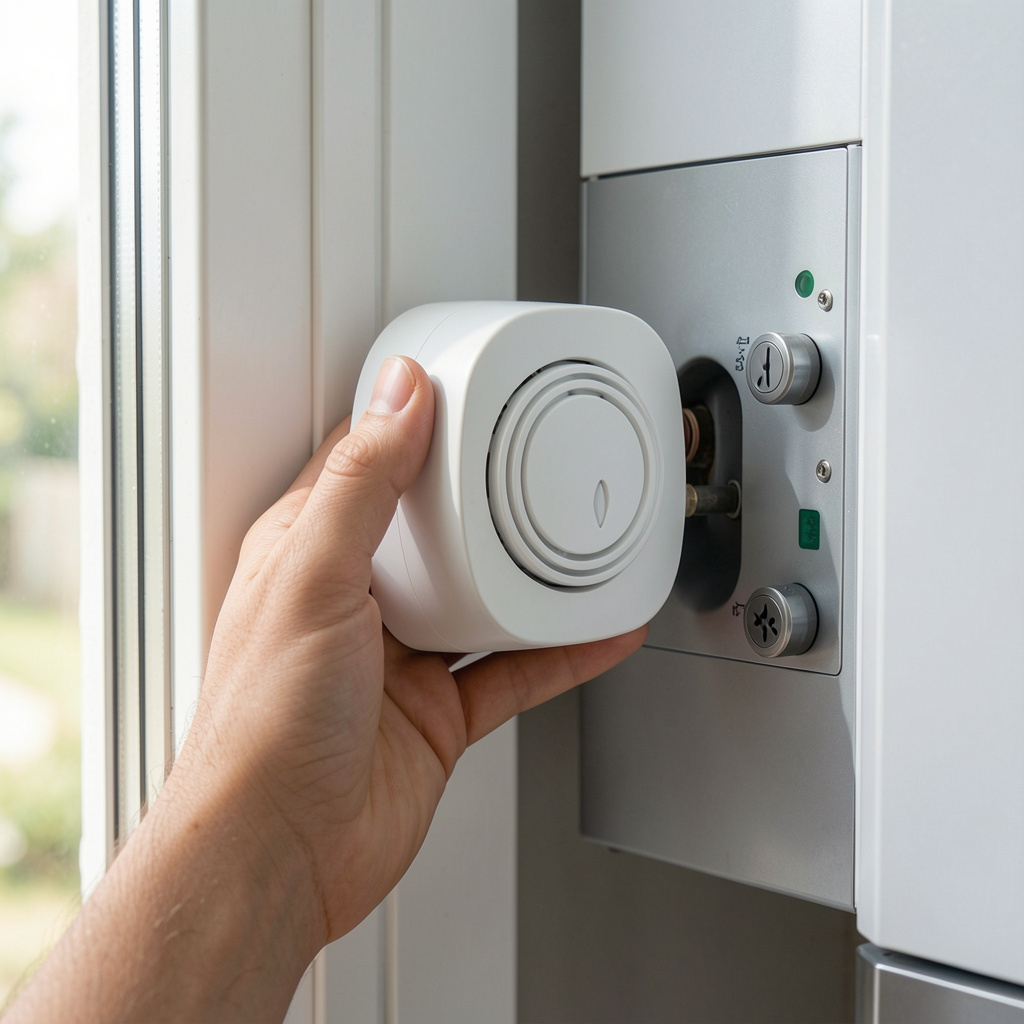
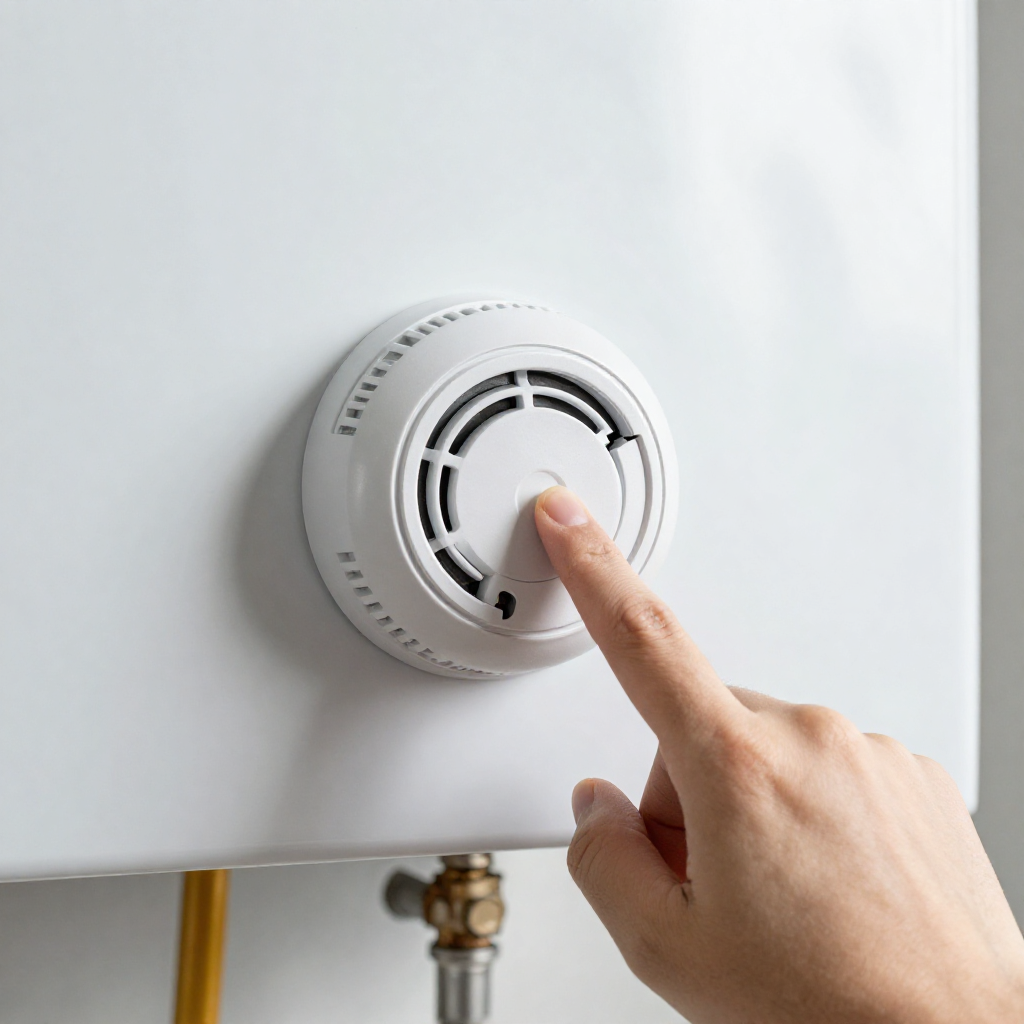
Since October 2022 every rented property in England needs at least one smoke alarm per storey and a CO alarm in any room with a fixed fuel-burning appliance (excluding gas cookers). HMOs need interlinked mains-powered detectors as the minimum standard.
Escape routes and fire doors
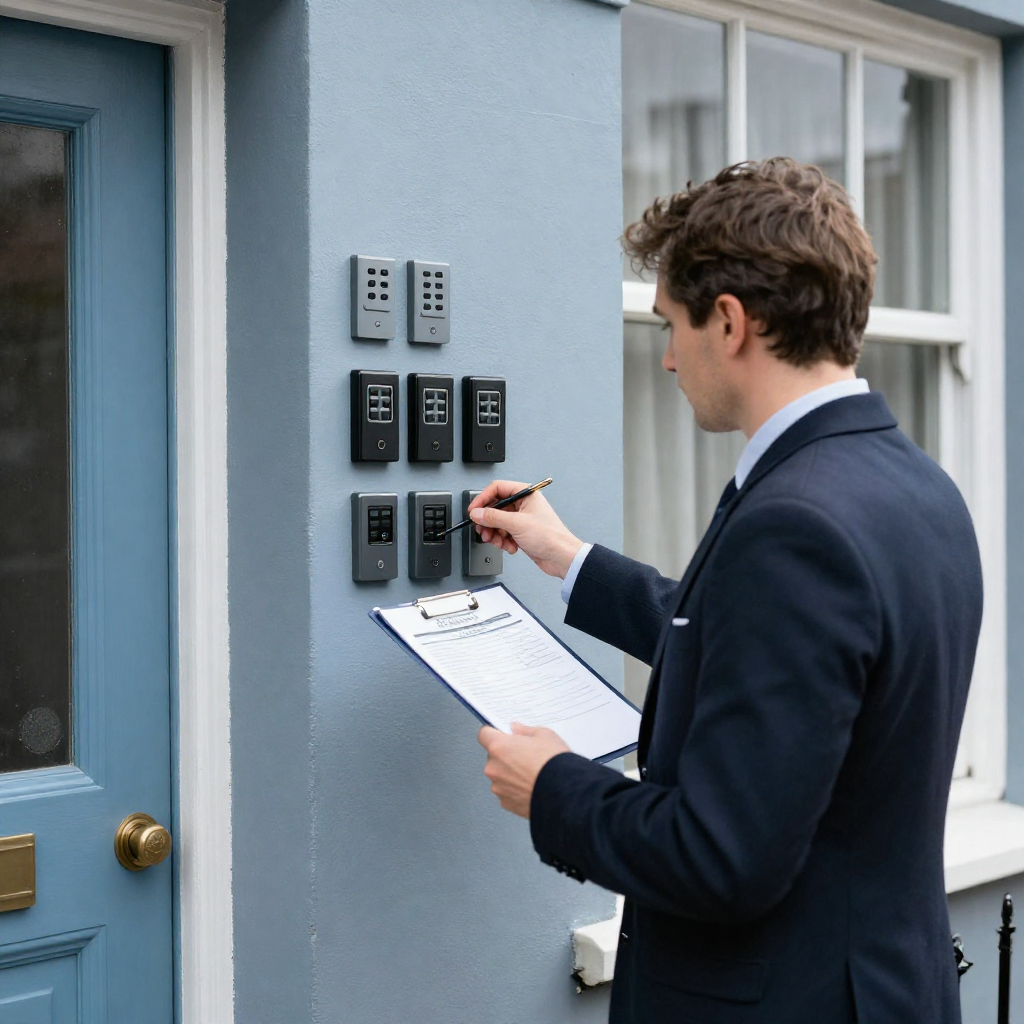
Escape routes must be kept clear, adequately lit and — in HMOs and blocks — protected by 30-minute fire doors with intumescent strips and self-closers. In blocks over 11m, external walls also fall under the Building Safety Act regime.
How Landvale keeps fire safety on schedule
Landvale treats the FRA as a first-class compliance item alongside CP12, EICR and EPC — annual by default, tied to a competent assessor register, and re-triggered on any tenancy change, fire door replacement or refurbishment. Every action item lands in the timeline with an owner and a deadline.